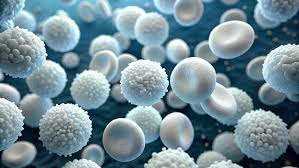
Immunity is the body’s defense mechanism against pathogens. An antigen is a marker or receptor over a foreign particle, can be dust, pollen, etc. Antibodies create a defense system against foreign particles in our body (antigen). Immunoglobulin type of protein and biological name for antibody. All antibodies are specific to their antigens. Specific immune response that is target toward a particular antigen only. Antibody communicates to other cells of the bodies to kill the pathogen. Vaccine is a heat killed pathogenic – non functional strain of a virus
First Line Of Defense
Physical & Chemical barrier
- These include the skin, body hair, cilia, eyelashes, the respiratory tract, and the gastrointestinal tract. These form the first line of defense.
- The skin does more than provide us with fair or dark complexions. Our skin acts as a physical barrier to the entry of pathogens. The mucus coating in our nose and ear is a protective barrier which traps the pathogen before it gets inside.
Examples
- Skin – Secretes oil that contains antimicrobial substances that helps kill pathogen
- Nose – Has hair and mucus that can capture/trap pathogens
- Mouth -Trachea – bronchi and bronchioles has mucus and cilia which is like hairs that rotates mucus
- Alveoli sacs in lungs also contain mucus
- Hair
- Stomach – Produces HCl acid which is so acidic (pH level 2)
- Sweat glands
- Tear glands
- Chemical secretions – Oil, antitoxin
Physiological barriers
- We know that our stomach uses hydrochloric acid to break down the food molecules. Due to such a strongly acidic environment, most of the germs that enter our body along with the food are killed before the further process is carried on.
- Saliva in our mouth and tears in our eyes also have the antibiotic property that does not allow the growth of pathogens even though they are exposed all day.
Cellular barriers
- In spite of the physical and physiological barriers, certain pathogens manage to enter our body. The cells involved in this barrier are leukocytes (WBC), neutrophils, lymphocytes, basophil, eosinophil, and monocytes. All these cells are all present in the blood and tissues.
Cytokine barriers
- The cells in our body are smarter than we give them credit for. For instance, in case a cell in our body experiences a virus invasion, it automatically secretes proteins called interferons which forms a coating around the infected cell and prevents the cells around it from further infections.
Second Line Of Defense
- Immune system – second line of defense – means you are already infected
- If pathogen still invades our body then second line of defense
- Destroy the pathogens in our body
- Immune cell – white blood cell – lymphocytes
- Patrol body
- Functions
- Phago(engulf)cytosis(cell bursting) –
- Macrophages: white blood cell specifically for this process – come under monocytes in blood report
- First tracks the pathogen – receptor like tracking device
- Then binds with the pathogen
- Then engulfs the pathogen where it gets destroyed
- Antitoxins
- Chemicals released by the immune cells to counteract and nullify the effect of toxins produced by pathogens
- Works against the tiny poisons (secreted by pathogen before they get destroyed)
- Bind and counteract against toxins to stop the damage – kind of like neutralization
- Antibodies
- Mostly proteins that protect you from unwanted substances entering into your body. They are mostly produced by the immune system or immune cells.
- Antigen – molecules that are markers of the receptors that tell your body if the cell or the substance is foreign in nature.
- Phago(engulf)cytosis(cell bursting) –
- Antibodies
- Proteins in the body to defend against pathogens and viruses.
- Mostly y-shaped where in the arms the antigen and antibody will bind.
- Body’s immune response
- Antibiotic
- Alexander Fleming first discovered antibiotic – 1928
- Researching on the bacteria staphylococcus
- Gave bacteria growing medium (nutrients)
- The petri dishes with the bacteria grew mold – fungus
- The areas of fungus inhibited bacteria to grow there
- Fungus secreted a chemical that inhibiting the growth of staphylococcus bacteria
- This fungus was named penicillin. The first antibiotic ever discovered and is most used.
- Group of drugs which are used to treat diseases caused by bacteria and only bacteria
- Antibiotics can work in different ways like inhibition of cell wall synthesis of bacteria, blocking the protein machinery of bacteria and/or inhibiting the gene expression of bacteria
- Alexander Fleming first discovered antibiotic – 1928
Types Of Immunity
Innate immunity
This is activated immediately when the pathogen attacks. Innate immunity includes certain barriers and defense mechanisms that keep foreign particles out of the body.
Innate immunity refers to the body’s defense system.
This immunity helps us by providing the natural resistance components including salivary enzymes, natural killer cells, intact skin and neutrophils, etc. which produce an initial response against the infections at birth prior to exposure to a pathogen or antigens.
It is a long-term immunity in which our body produces the antibodies on its own. Our body has few natural barriers to prevent the entry of pathogens.
Adaptive Immunity
- Acquired immunity or adaptive immunity is the immunity that our body acquires or gains over time. Unlike the innate immunity, this is not present by birth.
- The ability of the immune system to adapt itself to disease and to generate pathogen-specific immunity is termed as acquired immunity. It is also known as adaptive immunity.
- An individual acquires the immunity after the birth, hence is called the acquired immunity.
- It is specific and mediated by antibodies or lymphocytes which make the antigen harmless.
- The main function of acquired immunity is to relieve the victim of the infectious disease and also prevent its attack in future.
- It mainly consists of an advanced lymphatic defense system which functions by recognizing the body cells and not reacting to them.
- Develops over time as your body grows in the environment.
 LifeLine
Leave a comment